Pest control service in Houston stops active infestations before wood-destroying insects, disease-carrying roaches, and attic rodents cause irreversible structural and sanitation damage. Subtropical Gulf Coast humidity, expansive clay soils, and extended warm seasons across Harris County accelerate breeding cycles for subterranean termites, German cockroaches, and roof rats.
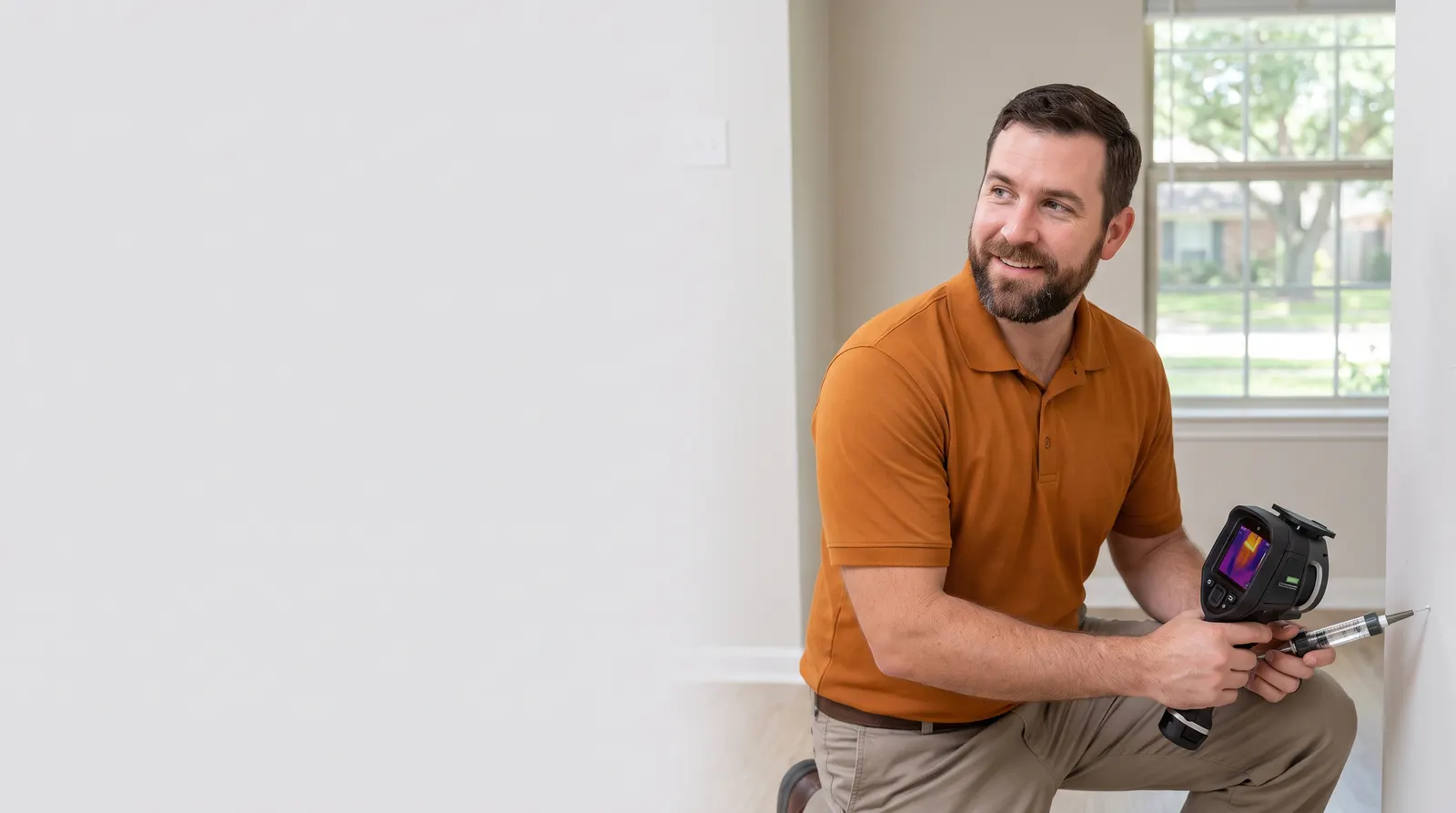
Pest control service in Houston is a targeted professional intervention that identifies, halts, and eliminates active structural infestations across Harris County properties through chemical barriers, physical exclusions, and precision biological treatments.
Every service reflects the same meticulous attention to detail — whether it's a single job or a larger pest control service project across Houston.
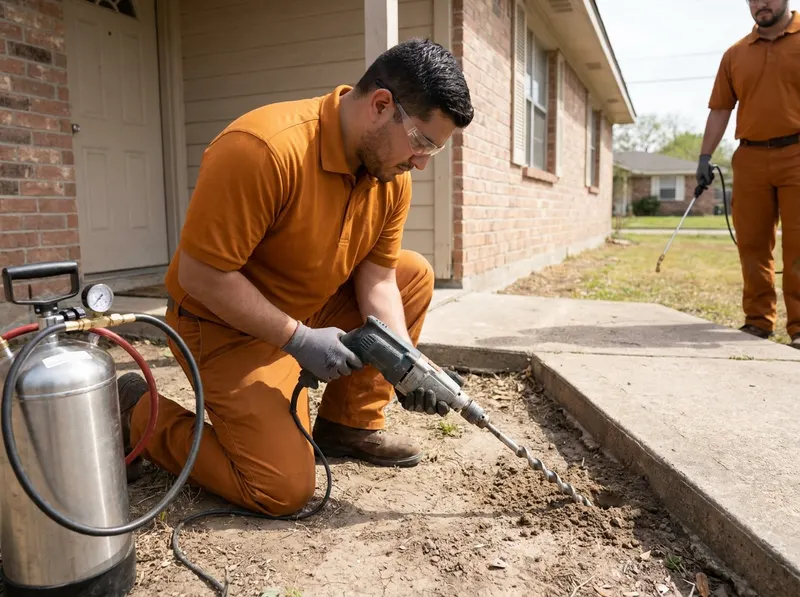
Subterranean termite treatments establish continuous liquid chemical barriers along concrete slab perimeters and foundation footings to intercept foraging subterranean colonies. Technicians trench perimeter soil six inches deep by six inches wide, applying high-potency non-repellent liquid termiticides that foraging insects track back into deep subterranean nests to achieve complete colony elimination. Where concrete patios, driveways, or attached garage slabs abut structural foundation walls, crews execute precision core drilling through masonry every twelve inches to inject pressurized chemical barriers directly into underlying sub-slab fill soil. Infested interior wall framing receives targeted wood injections using expanding termiticidal foam that flows through stud cavities, coating hidden galleries without requiring drywall demolition. This comprehensive soil and slab defense shields structural sills from structural compromise and includes baseline monitoring probes installed along high-risk moisture zones.
View details →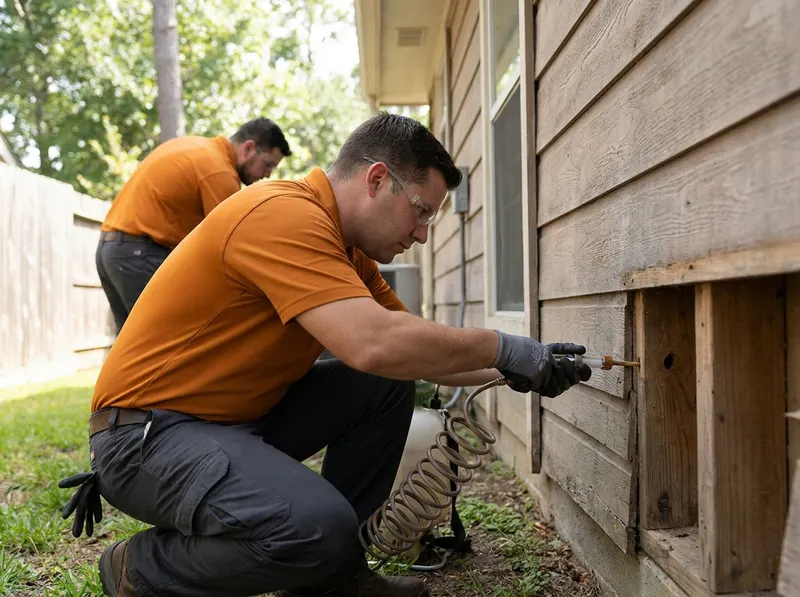
Drywood termite treatments eliminate localized colonies that nest directly inside structural framing timbers, hardwood rafters, door casings, and exterior architectural fascia boards without requiring soil contact. Diagnostic inspections locate active gallery networks by identifying distinct hexagonal fecal pellets and testing timber density using electronic acoustic sensors and moisture meters. Technicians drill targeted micro-ports directly into infested wood members to deliver localized pressurized termiticides and borate-based wood preservatives that penetrate grain channels and coat gallery chambers. This direct injection protocol eliminates mature reproductive pairs, nymphs, and foraging soldiers within forty-eight hours while providing long-lasting internal wood preservation against future moisture rot and re-infestation. Treated timbers are sealed with matching architectural wood plugs to restore structural appearance and integrity.
View details →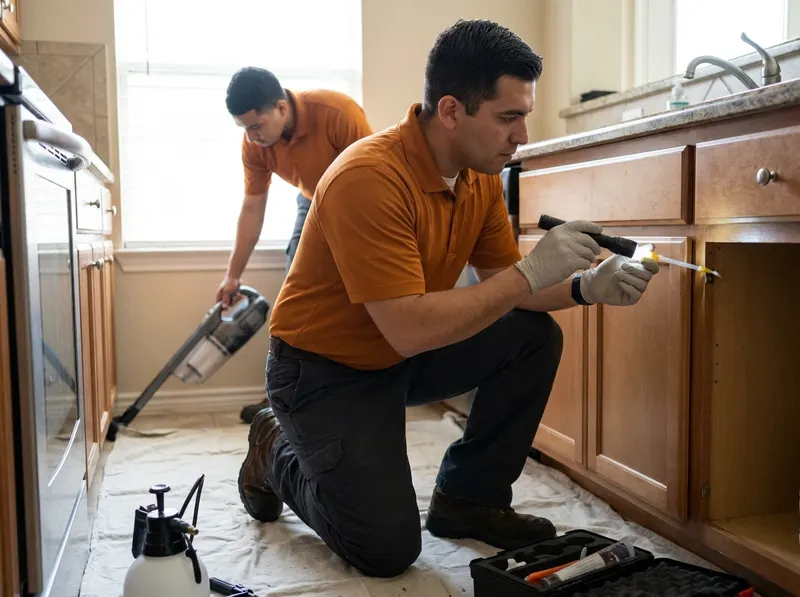
German cockroach eradication protocols target hidden reproductive clusters nested within kitchen cabinetry, hollow appliance motor housings, wall voids, and plumbing chases. Technicians combine professional-grade non-repellent bait matrices containing microencapsulated active ingredients with juvenile hormone mimics that arrest the insect molting cycle, rendering nymphs incapable of reaching reproductive maturity. Precision gel bait droplets are placed along structural hinges, undersides of countertop overhangs, electrical gang boxes, and behind refrigeration compressor coils where roaches congregate in darkness. Wall voids surrounding plumbing supply lines receive dry insecticidal dust applications using directional hand bellows, coating hidden breeding spaces and preventing wall-to-wall migration across interior living spaces. Follow-up monitoring traps track population decline to verify total eradication of both adult roaches and newly hatched egg cases.
View details →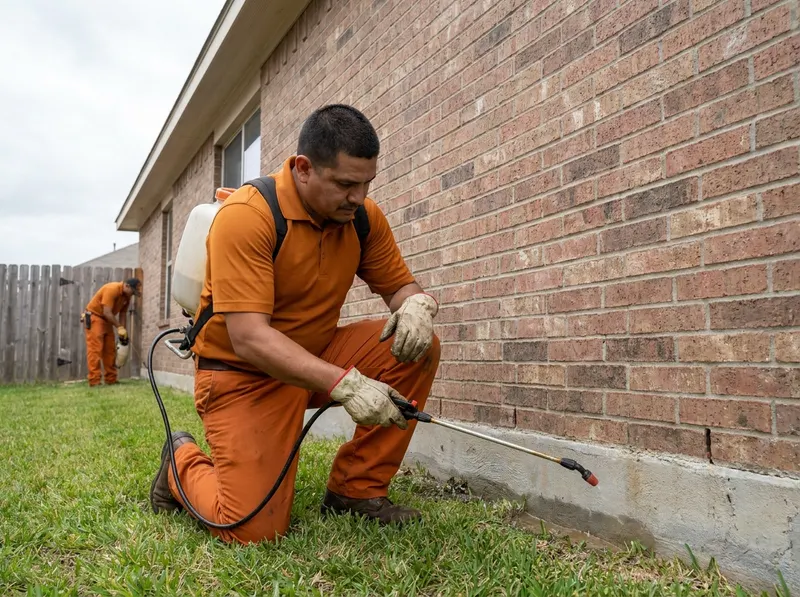
American and Smokey Brown roach services establish formidable multi-tier defensive perimeters designed to stop large peridomestic roaches before they penetrate residential living spaces. Technicians apply microencapsulated exterior liquid barrier sprays around foundation footings, crawlspace perimeters, exterior brick weep holes, window wells, and eaves up to a height of three feet. Exterior moisture reservoirs including decorative mulch beds, water meter vaults, and sewer cleanout access points receive broad-spectrum weather-resistant granular baits formulated with proprietary food attractants. Interior entry points such as plumbing penetrations under sinks and washing machine discharge boxes receive long-lasting silica aerosol barriers that dehydrate invading insects immediately upon contact, halting nuisance invasions from storm drains and bayou tree canopies.
View details →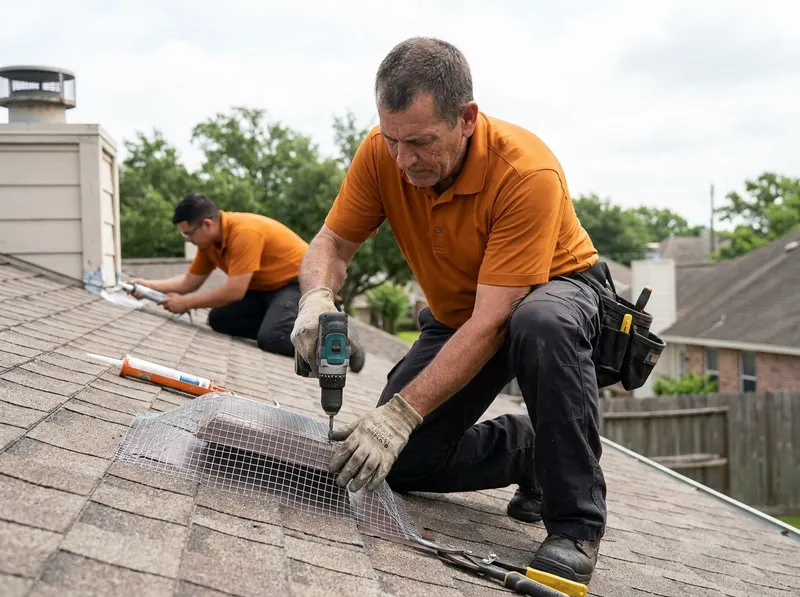
Rodent exclusion programs deliver permanent structural protection against roof rats, Norway rats, and house mice through rigorous mechanical sealing of exterior building envelopes. Technicians execute complete structural inspections from roof eaves to foundation skirts, identifying gnaw marks, greasy sebum trails, and structural entry voids as narrow as one-quarter inch. Technicians seal roofline intersections, fascia transitions, gable vent screens, crawlspace access doors, and weep holes using corrosion-resistant twenty-gauge stainless steel mesh, copper wire batting, elastomeric polyurethanes, and reinforced mortar. Inside attic spaces, crews install directional multi-catch mechanical traps and precision snap traps along designated travel paths to swiftly eliminate trapped animals without utilizing toxic anticoagulant baits that cause dead animal decomposition inside hidden wall cavities.
View details →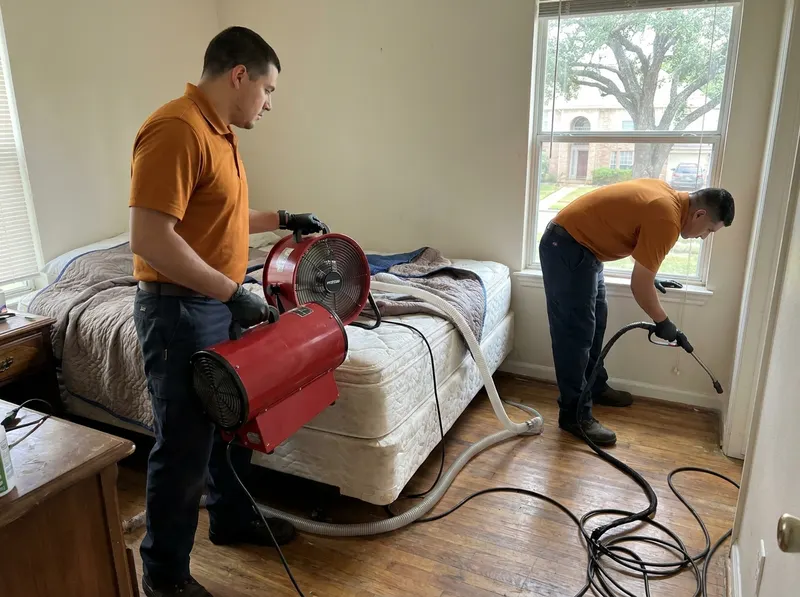
Bed bug remediation utilizes integrated thermal convection technology combined with targeted residual chemical barrier applications to eradicate bed bugs at all life stages, including microscopic eggs. Industrial mobile heating units elevate ambient room temperatures to an optimal 122°F to 135°F, circulating heated air evenly through furniture joints, mattress tufts, baseboard gaps, and wall voids to eliminate heat-sensitive bed bugs within minutes of thermal saturation. Following thermal knockdown, technicians apply long-lasting dual-action insect growth regulators and botanical silica dusts beneath carpet tack strips, behind electrical faceplates, and along bed frame joins to provide a continuous residual shield against potential secondary introductions. This multi-layered strategy delivers same-day room turnaround without requiring the costly disposal of structural furniture or personal textiles.
View details →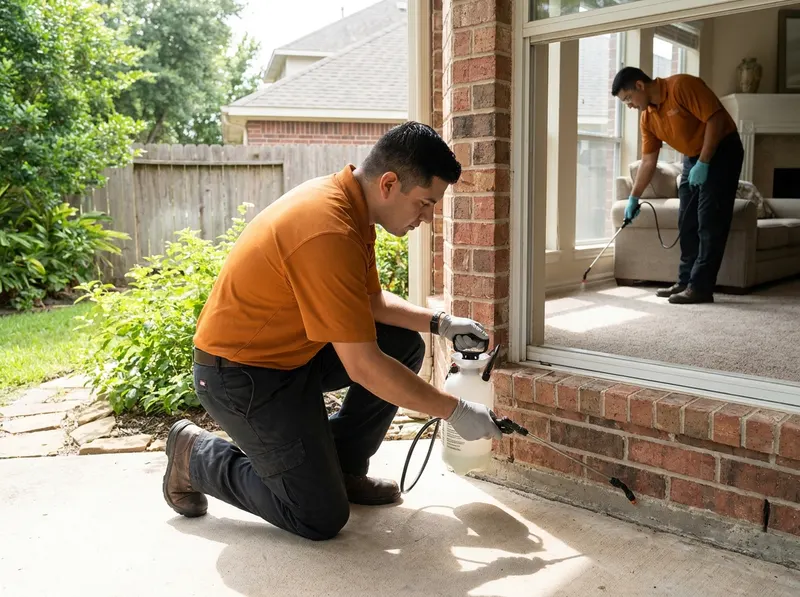
Flea and tick eradication protocols provide dual-action relief across interior carpets, upholstered furniture, shaded yard turf, and pet resting zones. Technicians apply fast-acting adulticides paired with potent insect growth regulators that disrupt flea larvae and prevent tick nymphs from molting into parasitic adult stages. Interior flooring, area rugs, baseboard edges, and underneath furniture pieces receive fine broadcast mists that penetrate deep into carpet pile fibers, neutralizing dormant pupae on contact. Exterior turf zones, fence lines, and low-hanging landscape shrubs receive microencapsulated barrier sprays and water-activated insecticide granules that withstand rainfall while creating an uninhabitable zone for deer ticks, brown dog ticks, and cat fleas.
View details →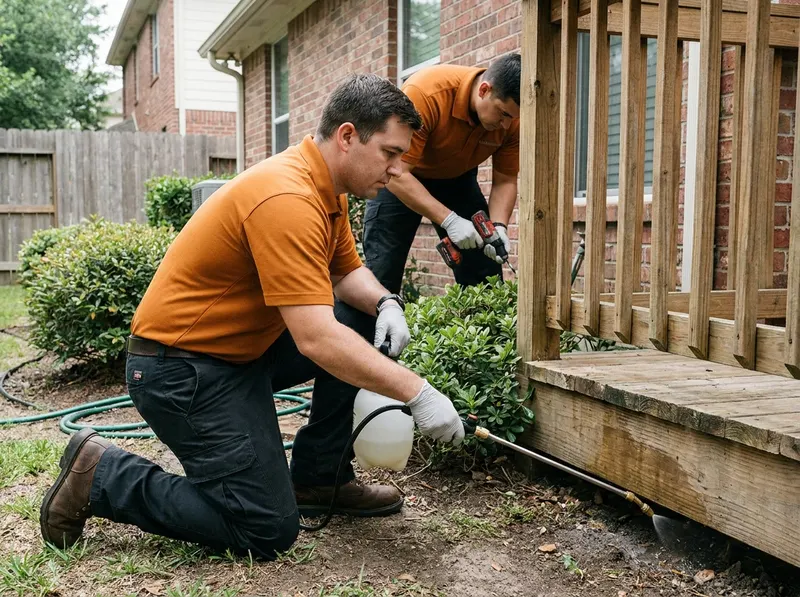
Carpenter ant management targets large black and red ant colonies nesting inside moisture-damaged structural wall studs, porch columns, and hollow tree limbs. Technicians identify hidden nest sites by tracking foraging worker trails along foundation edges, rooflines, and overhanging tree branches that make physical contact with structural gutters. Eradication involves injecting slow-acting non-repellent liquid and foam termiticides directly into infested wood cavities, allowing foraging ants to carry active compounds back to the central satellite queen. Exterior foundation perimeters and tree bases receive non-repellent perimeter chemical treatments and specialized ant gel baits to suppress surrounding ground colonies and eliminate long-term wood hollowing threats.
View details →Pest control service in Houston is a targeted professional intervention that identifies, halts, and eliminates active structural infestations across Harris County properties through chemical barriers, physical exclusions, and precision biological treatments.
You get a firm, itemized quote for your pest control service before any work begins — no surprises, no pressure.
Careful prep, tidy work, and a full cleanup when we are done. We treat your home and belongings like our own.
The same trusted, background-checked team from the first call to the final check.
If you observe isolated perimeter foraging such as American cockroaches emerging around exterior hose bibbs or perimeter fire ant mounds along the driveway, choose a targeted exterior liquid and granular perimeter defense. If you discover internal pest nesting, German roach aggregations behind warm kitchen appliances, or bed bugs along mattress piping, choose intensive interior crack-and-crevice baiting combined with insect growth regulators. The trade-off is focused chemical surface containment versus deep void penetration: perimeter barriers intercept transient yard invaders, whereas entrenched interior breeding clusters demand micro-injected wall void compounds, targeted gel placements, and secondary reproductive inhibitors. If you detect mud tubes rising along slab footings, soft baseboard trim, or swarmer wings collected on window sills, choose dedicated subterranean termite liquid soil trenching or localized structural wood injections rather than topical surface sprays. Surface treatments eliminate visible worker termites on contact but fail to penetrate subterranean soil nests, allowing the hidden colony queen to continuously pump out thousands of new foraging workers directly beneath your foundation slab. If you hear scratching noises inside attic ceiling joists or discover greasy rub marks along roof eaves, select complete structural rodent exclusion paired with interior mechanical trapping rather than open-air anticoagulant poison distribution. The trade-off centers on upfront physical labor and exterior structural modification versus temporary chemical suppression: exterior exclusion permanently bars wildlife access through roofline gaps and weep holes, preventing toxic carcass decomposition inside inaccessible drywall cavities, while uncontained poisoning risks foul odors, secondary pet toxicity, and recurring attic re-infestations every autumn.
Every project gets a firm, written price after a free on-site visit. Ranges below for orientation.
Tell us about your pest control service job and we'll send a clear, written quote — usually the same day. Or just call and talk to a real Houston pro.

Houston properties face intense, year-round pest pressure driven by a unique convergence of hyper-humid subtropical weather, dense bayou corridors, and notoriously unstable clay foundation soils. In historic neighborhoods like The Heights and Montrose, century-old pier-and-beam bungalows sit over elevated crawlspaces that retain soil moisture, creating prime harborage zones for subterranean termites, carpenter ants, and American cockroaches seeking refuge from torrential downpours. Properties situated along the wooded banks of Buffalo Bayou Park, Memorial Park, and the extensive drainage tributaries of Harris County experience continuous wildlife migrations, where roof rats utilize overhanging live oak canopies and pine branches to traverse directly onto residential rooflines, entering structural attics through unsealed soffit vents and fascia transitions. Across newer suburban developments in The Woodlands, Kingwood, and Clear Lake, monolithic concrete slab-on-grade foundations settle unevenly within expanding and contracting Gulf Coast gumbo clay. These soil shifts create invisible hairline stress cracks through concrete slabs, giving foraging Formosan termites direct, unhindered access into structural wall studs and internal plumbing chases without leaving visible exterior mud tubes. High average annual temperatures combined with extensive coastal rainfall eliminate the traditional winter dormancy seen in colder regions, allowing German cockroach colonies, fire ant mounds, and mosquito populations to reproduce non-stop throughout every season. Navigating major transit corridors such as Interstate 610, Interstate 10, and Interstate 45, service vehicles transport specialized microencapsulated termiticides, industrial thermal convection heaters, and heavy-gauge steel exclusion materials directly to affected properties from Midtown to West University Place. Understanding these hyper-local architectural styles and biological environmental pressures allows technicians to deploy targeted chemical and physical barriers that permanently resolve pest infestations across Harris County.
 Total Pest Removal Solutions